
iStock Review 2025: The Ultimate Guide to Finding Quality Stock Photos and Videos

Finding the perfect images for our creative projects can be challenging especially when we need high-quality visuals that won’t break the bank. That’s where iStock comes in – a leading stock photography platform that’s revolutionized how we source professional images videos and illustrations.

We’ve seen iStock grow from its humble beginnings in 2000 to become one of Getty Images’ most valuable assets. With millions of royalty-free content available at competitive prices it’s no wonder why creative professionals marketing teams and businesses worldwide trust iStock for their visual content needs. The platform’s extensive library ranges from stunning photography to vector illustrations and from iconic editorial images to high-definition video clips.

What Is iStock and How It Works

iStock operates as a stock media marketplace where creators sell their digital assets through a straightforward licensing system. The platform connects photographers videographers artists with buyers seeking high-quality visual content for their projects.

Key Features of iStock

  • Credit System: Purchase credits in bulk to download media at discounted rates
  • Flexible Licensing: Standard licenses for common uses Extended licenses for broader commercial applications
  • Advanced Search Filters: Filter by color orientation image type file size to find specific content
  • Similar Image Search: Upload an image to find visually matching content in the library
  • Collections: Create organize save favorite assets in custom boards for future reference
  • API Integration: Connect iStock directly to design software creative workflows

Available Content Types

Content Category Description File Formats
Photography High-resolution stock photos JPEG
Illustrations Vector graphics artwork AI EPS
Videos HD 4K footage clips MP4 MOV
Music Royalty-free audio tracks MP3 WAV
Templates Design presentation layouts PSD INDD
  • Multiple resolution options
  • Exclusive premium collections
  • Regular content updates
  • Watermark-free previews
  • Detailed metadata tags
  • Model property releases

iStock Pricing and Subscription Plans

iStock offers flexible payment options through credit packs and subscription plans that accommodate different budget ranges and usage requirements. Each pricing tier provides access to specific content collections with varying download limits.

Credit Pack Options

Credits serve as iStock’s virtual currency for purchasing individual assets. The platform offers credit packs in quantities of:

Credit Pack Size Price (USD) Cost per Credit
1 credit $12 $12.00
6 credits $60 $10.00
12 credits $100 $8.33
18 credits $150 $8.33
60 credits $425 $7.08
  • Standard images cost 1 credit
  • Premium collection images require 3 credits
  • Video clips range from 6 to 12 credits
  • Credits remain valid for 12 months after purchase
  • Unused credits roll over month-to-month

Monthly Subscriptions

Plan Type Monthly Downloads Monthly Price (USD) Annual Price (USD)
Basic 10 images $29 $299
Essential 50 images $49 $499
Team 750 images $199 $1,999
Premium 750 images $399 $3,999
  • Basic plan includes access to standard collection images
  • Essential plan adds extended licensing options
  • Team plan enables multiple user accounts
  • Premium plan includes exclusive content collections
  • All plans feature monthly rollover of unused downloads

Benefits of Using iStock

iStock offers significant advantages for creative professionals seeking high-quality visual content. The platform combines extensive resources with user-friendly features to streamline content acquisition.

High-Quality Image Selection

iStock’s curated collection ensures professional-grade visuals meet stringent quality standards. Every image undergoes technical review for resolution quality ranging from 2MP to 50MP depending on file size. The platform features:

  • Exclusive premium collections with unique content not found elsewhere
  • Advanced search filters for specific color schemes size dimensions technical requirements
  • Multiple file formats including JPEG PNG EPS RAW
  • Regular content updates with 100000+ new assets added monthly

Legal Protection and Licensing

  • Perpetual royalty-free licenses for unlimited usage
  • Standard commercial rights for advertising marketing materials
  • Extended licenses for merchandise high-volume printing
  • Legal indemnification up to $10000 per image
  • Model property releases for commercial content
  • Transparent usage restrictions defined per asset type
License Type Usage Rights Protection Coverage
Standard Basic commercial use $10000
Extended Unlimited print runs $250000
Premium Merchandise resale $250000

Using iStock for Different Projects

iStock’s versatile content library serves multiple creative needs across various industries. The platform’s diverse collection adapts to specific project requirements through specialized licensing options.

Commercial Use Cases

iStock images enhance commercial projects through multiple applications:

  • Create engaging social media posts with size-optimized images for platforms like Instagram Facebook Twitter
  • Design marketing materials including brochures catalogs presentations billboards
  • Develop website content with responsive images for desktop mobile layouts
  • Produce video advertisements using HD stock footage b-roll content
  • Generate product mockups with vector illustrations lifestyle photography
  • Build email marketing campaigns with eye-catching visuals infographics
Commercial Usage Image Requirements License Type
Social Media 1080x1080px – 2MP Standard
Print Materials 300 DPI – 50MP Extended
Web Design 72 DPI – 5MP Standard
Video Ads 1080p/4K Premium

Editorial Applications

  • Illustrate news articles with current event photography
  • Document historical moments through archival imagery
  • Cover sports events with action shots player portraits
  • Report on entertainment industry with celebrity images
  • Showcase business developments with corporate photography
  • Feature cultural events through documentary-style imagery
Editorial Content Usage Scope Update Frequency
News Photography Global Events Daily
Sports Coverage Major Leagues Weekly
Celebrity Images Entertainment Weekly
Business Photos Corporate News Monthly

iStock vs Other Stock Photo Sites

iStock competes with several major players in the stock photo marketplace including Shutterstock Adobe Stock Depositphotos. Our comparison reveals distinct differences in pricing models content quality licensing terms across these platforms.

Price Comparison

iStock’s credit-based pricing starts at $12 per credit with bulk discounts on larger packs. Here’s how the pricing compares across platforms:

Platform Monthly Subscription (10 images) Single Image Price Annual Plan Savings
iStock $29 $12 Up to 30%
Shutterstock $29 $14.50 Up to 25%
Adobe Stock $29.99 $9.99 Up to 20%
Depositphotos $29 $8 Up to 35%

Content Quality Assessment

  • Technical Requirements
  • iStock: Minimum 2MP resolution enforced
  • Shutterstock: 4MP minimum resolution
  • Adobe Stock: 3MP minimum resolution
  • Depositphotos: 2MP minimum resolution
  • Submission Process
  • iStock: Multi-step review process
  • Contributors undergo portfolio assessment
  • Images tested for technical specifications
  • Metadata accuracy verification
  • Exclusive Content
  • iStock Signature collection features unique premium assets
  • Premium content requires higher credit values
  • Regular content updates with 100,000+ monthly additions
  • Curated collections by professional editors
  • Image Standards
  • Sharp focus requirements
  • Proper exposure guidelines
  • Color accuracy checks
  • Noise reduction specifications

Tips for Getting the Most Out of iStock

iStock’s extensive library requires effective strategies to maximize value and efficiency. Here’s how to optimize your iStock experience for better results and cost savings.

Search Techniques

  • Use specific keywords in combinations of 3-4 terms (e.g., “business woman laptop coffee”)
  • Filter results by orientation, number of people or copy space requirements
  • Enable the “Similar Images” feature to discover related content
  • Save successful search strings for future reference
  • Utilize negative keywords with minus signs to exclude unwanted results (e.g., “-outdoors”)
  • Apply color filters to match brand guidelines
  • Sort results by “newest first” to access fresh content
  • Explore iStock’s curated collections for themed imagery

Money-Saving Strategies

  • Purchase credit packs during promotional periods for bulk discounts
  • Download larger image sizes to avoid repeat purchases
  • Create lightboxes to compare similar images before purchasing
  • Consider annual subscriptions over monthly plans for better rates
  • Monitor unused subscription downloads before expiration
  • Download premium content with standard credits during sales events
  • Share subscription access across team members when permitted
  • Compare credit pack sizes to maximize cost per download
  • Choose standard licenses unless extended rights are necessary
  • Download similar variations in a single session to utilize subscription limits efficiently

Note: Each bullet point represents a distinct actionable technique without using conditional language or unnecessary context.

Conclusion

We’ve explored how iStock stands out as a comprehensive solution for creative professionals seeking high-quality visual content. Its blend of competitive pricing flexible licensing options and extensive library makes it a valuable resource for businesses and creators alike.

Whether you’re working on marketing materials social media content or editorial projects iStock delivers professional-grade assets backed by robust legal protection. The platform’s user-friendly interface advanced search capabilities and regular content updates ensure you’ll find exactly what you need.

With its credit-based system and subscription options iStock provides the flexibility to match any budget while maintaining the quality standards that creative professionals demand.


 

How to Sell Photography Prints Online: A Beginner’s Guide to Success

Selling photography prints online can be a rewarding venture for photographers looking to monetize their art. However, navigating the world of digital sales, printing methods, and marketing strategies can be overwhelming. We’re here to guide you through this process and help turn your passion into a thriving business.

In this article, we’ll explore various aspects of selling photo prints online, from choosing between print-on-demand services and physical prints to setting up your own website. We’ll also discuss pricing strategies, marketing techniques, and how to create value for your customers. Whether you’re a seasoned photographer or just starting out, our comprehensive guide will equip you with the knowledge to successfully sell your photography prints in the digital marketplace.

Key Takeaways

  • Selling photography prints online offers wider audience reach, higher profit potential, and brand elevation opportunities
  • Choose a niche, optimize your photos, and select appropriate print materials to prepare your prints for sale
  • Set up an online print shop by choosing between marketplaces and personal websites, pricing strategically, and creating compelling product listings
  • Market your prints through brand building, social media promotion, email marketing, and exploring offline sales opportunities
  • Manage your print business effectively by choosing the right fulfillment option, providing excellent customer service, and addressing legal considerations

Why Sell Photography Prints Online

Selling photography prints online offers numerous advantages for photographers looking to monetize their work. Here’s why it’s a compelling option:

Wider Audience Reach

Online platforms provide access to a global market, allowing photographers to showcase their work to potential buyers worldwide. This expanded reach increases the chances of finding customers who appreciate specific styles or subjects.

Tangible Art Experience

While digital photos are convenient, physical prints offer a unique value proposition:

  • Tactile connection to the artwork
  • Enhanced perceived value
  • Ability to display in homes, offices, and businesses

Higher Profit Potential

Physical prints often command premium prices compared to digital downloads:

Format Average Price Range
Digital Download $0.33 – $3.30
Physical Print $50 – $1000+

Growing Market

The global photo printing industry is experiencing significant growth:

Year Market Size
2022 $204.1 billion
2028 (projected) $291.9 billion

Versatility in Sales Channels

Photographers can leverage various platforms to sell their prints:

  • Online marketplaces (Etsy, eBay, Fine Art America)
  • Personal websites
  • E-commerce platforms (Shopify, Wix, Squarespace)

Brand Elevation

Offering high-quality prints enhances a photographer’s professional image and can lead to additional opportunities, such as gallery exhibitions or commissioned work.

By understanding these benefits, photographers can make informed decisions about how to sell photography prints online and develop effective strategies for success in this growing market.

Preparing Your Prints for Sale

To successfully sell photography prints online, proper preparation is crucial. We’ll guide you through the essential steps to ensure your prints are ready for the market.

Choosing Your Photography Niche

Selecting a niche is a critical first step in selling photos online. A well-defined niche helps target specific audiences and refine marketing strategies for better results. Consider these popular photography niches:

  • Landscape photography: Capturing expansive scenic views
  • Nature photography: Focusing on natural elements and wildlife
  • Fashion photography: Highlighting clothing and accessories
  • Portrait photography: Capturing individuals’ personalities
  • Street photography: Documenting everyday life
  • Architectural photography: Concentrating on buildings and structures

To choose a niche that suits you:

  1. Assess your interests and passions
  2. Evaluate your skills and techniques
  3. Research market demand and competition
  4. Consider accessibility based on your location and resources
  5. Analyze profitability potential

Editing and Optimizing Your Photos

Proper editing and optimization are essential for selling photography prints online. Follow these best practices:

  1. Use high-resolution images (at least 300 DPI) to avoid pixelation
  2. Compress images between 60% and 80% to balance quality and file size
  3. Use descriptive file names (e.g., “summer-evening-nature.jpg”)
  4. Write alt text for search engine optimization and accessibility

Top photo editing software options include:

  1. Adobe Photoshop: Ideal for expert photographers and graphic designers
  2. Lightroom: Excellent for organizing and batch editing photos
  3. GIMP: A free, open-source alternative with robust features

Selecting Print Materials and Formats

Choosing the right print materials and formats is crucial for showcasing your work. Consider these options:

  1. Paper types:
  • Glossy: Vibrant colors and sharp details
  • Matte: Reduced glare and softer appearance
  • Fine art: High-quality, archival-grade paper
  1. Print formats:
  • Standard sizes (e.g., 8×10, 11×14, 16×20)
  • Panoramic prints for landscapes
  • Custom sizes for unique presentations
  1. Mounting options:
  • Canvas wraps
  • Metal prints
  • Acrylic prints

When selecting materials and formats, consider:

  • The style and mood of your photographs
  • Your target audience’s preferences
  • Pricing and profit margins
  • Shipping and handling requirements

By carefully preparing your prints for sale, you’ll increase your chances of success in the competitive online photography market.

Setting Up Your Online Print Shop

Setting up an online print shop is a crucial step in selling photography prints online. We’ll explore key aspects of establishing your digital storefront to maximize your success.

Choosing a Platform: Marketplace vs. Personal Website

When selling photography prints online, the choice of platform significantly impacts your business. Marketplaces offer built-in audiences but may limit control, while personal websites provide more customization but require more marketing effort.

  1. Marketplaces:
  • Reach: Access to large, established customer bases
  • Fees: Often charge listing fees or sales commissions
  • Competition: High, with many sellers in one place
  • Branding: Limited customization options
  1. Personal Websites:
  • Control: Full autonomy over design and user experience
  • Fees: Lower transaction fees, but higher upfront costs
  • Branding: Complete freedom to build your unique brand
  • Marketing: Requires more effort to drive traffic

Consider your target audience, technical skills, and long-term goals when choosing between these options.

Pricing Your Photography Prints

Determining the right price for your prints is essential for profitability and market positioning. Consider these factors:

  1. Production costs:
  • Printing expenses
  • Packaging and shipping materials
  • Time invested in shooting and editing
  1. Market research:
  • Analyze competitors’ pricing
  • Assess your unique value proposition
  1. Pricing strategies:
  • Cost-plus pricing: Add a markup to your production costs
  • Value-based pricing: Set prices based on perceived value
  • Dynamic pricing: Adjust prices based on demand or seasonality
  1. Limited editions:
  • Command higher prices
  • Create scarcity and exclusivity

Regularly review and adjust your pricing strategy to maintain profitability and competitiveness.

Creating Compelling Product Listings

Effective product listings are crucial for attracting customers and driving sales. Follow these best practices:

  1. High-quality images:
  • Use professional-grade photographs of your prints
  • Show the print in various settings or framed options
  1. Detailed descriptions:
  • Include dimensions, materials, and printing techniques
  • Describe the story or inspiration behind the image
  1. Keywords:
  • Incorporate relevant search terms naturally
  • Use descriptive language that resonates with your target audience
  1. Clear pricing and options:
  • List all available sizes and finishes
  • Clearly state any limited edition information
  1. Call-to-action:
  • Encourage potential buyers to make a purchase
  • Highlight any promotions or guarantees

By optimizing your product listings, you’ll increase visibility and conversions in your online print shop.

Marketing Your Photography Prints

Marketing is crucial for successfully selling photography prints online. We’ll explore effective strategies to promote your work and reach potential customers.

Building Your Brand and Portfolio

Developing a strong brand identity and a compelling portfolio are essential steps in marketing your photography prints. Create a cohesive visual style that reflects your unique artistic vision. Curate your best work to showcase in your portfolio, ensuring it represents the range and quality of your photography. Include a variety of images that appeal to different tastes and preferences, but maintain consistency in your style to establish a recognizable brand.

Leveraging Social Media and Online Promotion

Social media platforms are powerful tools for marketing your photography prints online. Utilize Instagram, Pinterest, and TikTok to showcase your work and engage with potential customers. Create engaging content that highlights your prints and provides behind-the-scenes glimpses into your creative process. Use relevant hashtags to increase visibility and reach a wider audience. Consider collaborating with other photographers or influencers to cross-promote your work and expand your network.

Email marketing is another effective strategy for selling your photos online. Build an email list of customers and interested parties, then send targeted campaigns to promote new collections or offer exclusive discounts. This approach can help foster customer loyalty and drive repeat sales.

Exploring Offline Sales Opportunities

While online platforms are essential for selling photography prints, don’t overlook offline opportunities to market your work. Attend photography industry events, art fairs, and gallery openings to network with potential clients and fellow artists. These events provide valuable opportunities to showcase your prints in person and make meaningful connections within the art community.

Consider partnering with local businesses, such as cafes, hotels, or offices, to display your prints. This exposure can lead to sales and increased visibility for your work. Additionally, participate in art markets or craft fairs to sell your prints directly to customers and gain valuable feedback on your work.

Managing Your Print Business

Effectively managing your print business is crucial for long-term success in selling photography prints online. We’ll explore key aspects of business management to help you streamline operations and provide excellent customer experiences.

Fulfillment Options: DIY vs. Print-on-Demand

When deciding how to fulfill orders for your photography prints, you have two main options: DIY fulfillment or print-on-demand services. DIY fulfillment involves printing and shipping orders yourself, giving you complete control over quality but requiring more time and resources. Print-on-demand services handle production and shipping for you, reducing workload but potentially limiting customization options. Consider factors such as order volume, quality control preferences, and available time when choosing between these options.

Handling Orders and Customer Service

Efficient order processing and exceptional customer service are essential components of how to sell photography prints online successfully. Implement a system to track orders, manage inventory, and communicate with customers throughout the fulfillment process. Respond promptly to inquiries and address concerns professionally to build trust and foster positive relationships with your clients. Consider using customer relationship management (CRM) software to streamline communication and order management.

Legal Considerations for Selling Photos Online

Protecting your intellectual property and complying with legal requirements is crucial when selling photography prints online. Ensure you have the necessary rights and permissions for all images you sell, including model releases for photographs featuring identifiable individuals. Familiarize yourself with copyright laws and consider watermarking your digital images to prevent unauthorized use. Develop clear terms of service and return policies to protect your business and set customer expectations. Consult with a legal professional to ensure compliance with applicable laws and regulations in your jurisdiction.

Strategies for Long-Term Success

To achieve long-term success in selling photography prints online, it’s crucial to implement strategies that adapt to market changes and foster continuous growth. Here are key approaches to ensure your online print business thrives over time.

Expanding Your Product Offerings

Diversifying your product range is essential for sustained success in the online photography print market. We recommend:

  • Offering different print sizes and formats to cater to various customer preferences
  • Introducing limited edition prints to create exclusivity and increase perceived value
  • Exploring alternative mediums such as canvas, metal, or acrylic prints
  • Creating bundled packages or series of prints to encourage larger purchases
  • Developing complementary products like photo books, calendars, or greeting cards

By expanding your offerings, you’ll appeal to a broader customer base and increase the potential for repeat business.

Adapting to Market Trends

Staying current with market trends is crucial for maintaining relevance in the competitive online print industry. We suggest:

  • Regularly researching popular photography styles and themes
  • Analyzing sales data to identify best-selling subjects and formats
  • Monitoring social media platforms for emerging visual trends
  • Attending photography exhibitions and art fairs to gauge industry directions
  • Adapting your editing techniques to reflect current aesthetic preferences

Remaining flexible and responsive to market trends ensures your print offerings remain attractive to potential buyers.

Continuous Improvement and Learning

Investing in ongoing education and skill development is vital for long-term success in selling photography prints online. We recommend:

  • Participating in photography workshops and online courses to refine your craft
  • Experimenting with new techniques and equipment to enhance image quality
  • Seeking feedback from customers and peers to identify areas for improvement
  • Staying updated on e-commerce best practices and digital marketing strategies
  • Regularly reviewing and optimizing your website and online presence

By committing to continuous improvement, you’ll maintain a competitive edge and ensure the longevity of your online print business.

Conclusion

Selling photography prints online offers a rewarding avenue for artists to showcase their work and generate income. We’ve explored various aspects of this endeavor from choosing platforms to marketing strategies. By implementing these techniques photographers can establish a thriving online presence and connect with art enthusiasts worldwide.

Success in this field requires dedication adaptability and continuous learning. As the market evolves it’s crucial to stay informed about industry trends and consumer preferences. With the right approach and a commitment to quality photographers can turn their passion into a profitable online business venture.


Mastering the Stock Image Market: Find Perfect Visuals for Your Projects

In today’s visual-driven world, finding the perfect image for your project can make all the difference. We’ve seen firsthand how stock images have become an essential resource for businesses, marketers, and creatives alike. But with countless options available, navigating the stock image marketplace can be overwhelming.

We’ll explore the ins and outs of this dynamic industry, from understanding licensing models to discovering hidden gems in lesser-known platforms. Whether you’re a seasoned designer or a small business owner looking to enhance your brand, we’ll provide valuable insights to help you make informed decisions and find the ideal visuals for your needs.

Key Takeaways

  • Stock image platforms offer diverse options, from premium agencies like Shutterstock to affordable microstock sites, catering to various needs and budgets.
  • Understanding licensing models (royalty-free, rights-managed, extended, Creative Commons) is crucial for proper image usage and avoiding legal issues.
  • Advanced search techniques, effective keyword use, and filters help find the perfect images quickly on platforms like Adobe Stock and Shutterstock.
  • Subscription plans often provide better value than pay-per-image models, especially for users requiring regular content, but watch for hidden costs and usage restrictions.
  • Customizing stock images through cropping, color adjustments, and adding overlays can create unique visuals that align with your brand and message.

Understanding Stock Image Marketplaces

Stock image marketplaces serve as virtual libraries for visual content, offering a wide array of images for various purposes. These platforms cater to different needs and budgets, providing options for both professional and amateur users.

Types of Stock Image Platforms

Stock image platforms come in various forms, each with unique features and offerings. Stock photo agencies like Shutterstock and Adobe Stock dominate the market, providing extensive collections of high-quality images. These platforms offer both premium and affordable options, including Shutterstock free images for users on a tight budget. Microstock sites focus on selling large volumes of cheap stock photos, making them accessible to a broader audience. Niche platforms specialize in specific themes or industries, catering to users with particular needs. User-generated content sites allow photographers to upload and sell their work directly to buyers, creating a diverse marketplace.

Licensing Models Explained

Licensing models determine how stock images can be used and dictate their cost. Royalty-free licenses are the most common, allowing multiple uses of an image for a one-time fee. Rights-managed licenses offer exclusive use for specific purposes and durations, typically at a higher cost. Extended licenses provide additional rights, such as unlimited print runs or merchandise use. Creative Commons licenses offer free-to-use images with varying attribution requirements. Understanding these models is crucial for selecting the right images and avoiding legal issues. Stock photo agencies like Adobe Stock Images often provide detailed explanations of their licensing terms to help users make informed decisions.

Choosing the Right Stock Image Provider

Selecting the ideal stock image provider is crucial for finding high-quality visuals that align with your project’s needs and budget. We’ll explore key factors to consider when evaluating different platforms and compare popular options in the market.

Comparing Popular Stock Image Websites

When comparing stock image websites, it’s essential to consider factors such as pricing, image variety, and licensing terms. Shutterstock and Adobe Stock Images are two dominant players in the industry, offering vast libraries of high-quality content. Shutterstock provides a wide range of subscription plans and on-demand options, catering to various user needs. Adobe Stock Images integrates seamlessly with Creative Cloud applications, making it a convenient choice for designers already using Adobe products.

For those seeking more affordable options, numerous stock photo agencies offer cheap stock photos without compromising on quality. These platforms often operate on a microstock model, providing images at lower prices through subscription plans or credit-based systems. Some popular choices in this category include Depositphotos, 123RF, and Dreamstime.

It’s worth noting that while Shutterstock Free Images exist, they’re typically limited in number and quality compared to paid options. Free image resources can be useful for small projects or personal use, but commercial projects often require higher-quality, properly licensed images.

Evaluating Image Quality and Selection

When assessing image quality and selection, consider the following factors:

  1. Resolution: Ensure the platform offers high-resolution images suitable for both digital and print use.
  2. Diversity: Look for providers with diverse content that represents various cultures, ethnicities, and scenarios.
  3. Freshness: Check how frequently the platform updates its library with new content.
  4. Search functionality: Evaluate the ease of finding relevant images using keywords and filters.
  5. Preview options: Assess the ability to preview images in different sizes or within your project before purchasing.

Adobe Stock Images and Shutterstock are known for their extensive libraries and high-quality content. However, niche stock photo agencies might offer more specialized selections for specific industries or themes. When evaluating cheap stock photos, pay close attention to image quality and licensing terms to ensure they meet your project’s requirements.

By carefully comparing popular stock image websites and evaluating their quality and selection, you’ll be better equipped to choose a provider that meets your specific needs and budget constraints.

Navigating Search Features and Filters

Efficient navigation of search features and filters is crucial for finding the perfect stock images quickly. We’ll explore advanced techniques and strategies to help you make the most of stock image marketplaces.

Advanced Search Techniques

Stock image platforms offer powerful search tools to refine results. Use Boolean operators like AND, OR, and NOT to combine keywords and narrow down options. Filter by image orientation, color, and style to find visuals that match your project’s aesthetic. Many stock photo agencies, including Shutterstock and Adobe Stock, provide AI-powered visual search tools that allow you to upload a sample image and find similar options.

Using Keywords Effectively

Keywords are the foundation of successful stock image searches. Start with broad terms, then add specific descriptors to refine results. For example, instead of searching for “business,” try “diverse team brainstorming in modern office.” When looking for cheap stock photos, use terms like “budget-friendly” or “affordable” in combination with your subject matter. Experiment with synonyms and related concepts to expand your search. Shutterstock and Adobe Stock Images offer keyword suggestions and related search terms to help you discover relevant content.

Pricing Structures and Subscription Plans

Stock image marketplaces offer various pricing structures to cater to different user needs and budgets. Understanding these options is crucial for making cost-effective decisions when purchasing visual content.

Pay-Per-Image vs. Subscription Models

Pay-per-image models allow users to purchase individual images as needed. This option is ideal for occasional users or those with specific, infrequent image requirements. Prices vary based on factors such as image size, resolution, and licensing terms.

Subscription models, on the other hand, provide access to a set number of images for a fixed monthly or annual fee. These plans are cost-effective for users who require a steady stream of images. Many stock photo agencies, including Shutterstock and Adobe Stock, offer subscription plans with tiered pricing based on download limits and content types.

For users seeking cheap stock photos, subscription models often provide the best value. Some agencies offer introductory rates or free trial periods, allowing users to test their services before committing to a long-term plan.

Hidden Costs to Watch Out For

When selecting a pricing plan, it’s essential to consider potential hidden costs:

  1. License restrictions: Some plans limit image use to specific mediums or audience sizes.
  2. Download caps: Subscription plans often have monthly download limits.
  3. Auto-renewals: Many subscriptions automatically renew, potentially leading to unexpected charges.
  4. Image credits: Some agencies use a credit system, where larger or higher-quality images require more credits.
  5. Extended licenses: Additional fees for expanded usage rights or high-resolution files.

To avoid surprises, we recommend thoroughly reviewing the terms and conditions of each plan. While some stock photo agencies advertise “free” images, these often come with strict usage limitations or require attribution. It’s crucial to understand the full scope of licensing terms before using any stock image, even those labeled as free.

Legal Considerations When Using Stock Images

When navigating the stock image marketplace, it’s crucial to understand the legal aspects of using these visual assets. We’ll explore the key legal considerations to ensure compliance and protect your projects from potential copyright infringement issues.

Copyright and Usage Rights

Stock image providers like Shutterstock and Adobe Stock Images offer various licensing options that dictate how you can use their images. It’s essential to carefully review and adhere to these terms:

  • Understand the specific usage rights granted by the license
  • Check for restrictions on distribution, modification, or resale
  • Be aware of any time limitations or geographic constraints
  • Verify if the license allows use in commercial projects or only personal use
  • Ensure compliance with any attribution requirements

Model and Property Releases

When using stock images featuring recognizable individuals or private property, it’s important to confirm that proper releases are in place:

  • Model releases: Required for images containing identifiable people
  • Property releases: Necessary for photos of privately-owned buildings or locations
  • Verify that the stock photo agency has obtained these releases
  • Be cautious when using images for sensitive topics or potentially controversial content
  • Consider seeking additional permissions for high-profile or extensive usage

By understanding these legal considerations, we can confidently use stock images from reputable providers like Shutterstock and Adobe Stock while minimizing legal risks in our projects.

Best Practices for Selecting Stock Images

Selecting the right stock images is crucial for creating impactful visual content. We’ll explore key strategies to ensure your chosen images stand out and effectively communicate your message.

Avoiding Clichés and Overused Images

When browsing stock photo agencies like Shutterstock or Adobe Stock, it’s easy to fall into the trap of selecting overused images. To avoid this:

  • Use specific search terms to find unique results
  • Explore beyond the first few pages of search results
  • Consider less obvious interpretations of your concept
  • Opt for authentic, candid-style images over staged shots
  • Utilize advanced search filters to narrow down results

By implementing these strategies, you’ll discover fresh visuals that resonate with your audience and set your content apart.

Customizing Stock Images for Unique Content

Stock images serve as excellent starting points, but customization can elevate them to truly unique assets:

  • Crop images to focus on specific elements
  • Adjust colors to match your brand palette
  • Add text overlays or graphics to complement your message
  • Combine multiple stock images to create custom compositions
  • Apply filters or effects to create a cohesive visual style

Adobe Stock Images and other platforms often provide editing tools to help you customize your selections. By personalizing stock photos, you’ll create distinctive visuals that align perfectly with your brand and message.

Conclusion

Navigating the stock image marketplace can be complex but rewarding. We’ve explored the various platforms licensing models and pricing structures available to help you make informed decisions. By understanding legal considerations and implementing best practices we’ve discussed you’ll be well-equipped to find and use the perfect images for your projects. Remember to prioritize quality diversity and authenticity in your selections. With these insights you’re now ready to confidently explore the vast world of stock imagery and elevate your visual content.


How to Choose the Perfect Style for Graphics and Photos: A Complete Guide

Selecting the perfect style for graphics and photos can be a daunting task, especially with the myriad of options available today. Whether you’re working on a personal project or a professional endeavor, the right visual style can make or break your message.

In today’s digital age, visuals play a crucial role in capturing attention and conveying information effectively. From social media posts to marketing materials, the style of your graphics and photos can significantly impact how your audience perceives your brand or message. By understanding key principles and considering your target audience, you’ll be better equipped to choose a style that resonates and achieves your goals.

Understanding the Importance of Image Style

Impact on Brand Identity

Image style shapes brand perception and recognition. Consistent visual elements across graphics and photos reinforce brand identity. Choose a style that aligns with your brand’s values, personality, and target market. For example, a tech company might opt for sleek, minimalist graphics, while a natural cosmetics brand could use earthy, organic imagery.

Emotional Connection with Audience

Graphics and photos evoke emotional responses, influencing audience engagement. Select styles that resonate with your target demographic’s preferences and aspirations. For instance, vibrant, energetic images appeal to younger audiences, while softer, muted tones might connect better with an older demographic. Consider using Shutterstock Free Images to explore various styles and their emotional impact before finalizing your choice.

Factors to Consider When Choosing Image Style

Content Relevance

Select graphics photos that align with your content’s message and theme. Ensure the chosen images reinforce your main points and enhance understanding. Use visuals that directly relate to the subject matter, avoiding generic or irrelevant imagery that may confuse your audience.

Target Audience Preferences

Tailor your image style to your audience’s tastes and expectations. Research demographic data and industry trends to identify visual preferences. Consider factors such as age, cultural background, and professional context when selecting graphics photos that resonate with your target group.

Brand Aesthetics and Color Scheme

Maintain consistency with your brand’s visual identity when choosing image styles. Align graphics photos with your established color palette, typography, and overall design aesthetic. Use Shutterstock Free Images to explore options that complement your brand’s visual elements while maintaining a cohesive look across all marketing materials.

Image Purpose (e.g., Informative, Decorative, Persuasive)

Choose image styles based on their intended function within your content:

  • Informative: Select clear, detailed graphics photos that effectively convey data or explain concepts
  • Decorative: Opt for visually appealing images that enhance the overall aesthetic without distracting from the main content
  • Persuasive: Use emotionally evocative or aspirational images to influence audience opinions or actions

When selecting Images for Commercial Use, ensure they align with your specific purpose to maximize their impact and effectiveness in your project.

Popular Image Styles and Their Applications

High-Key vs. Low-Key Photography

High-key photography uses bright lighting and minimal shadows to create a light and airy atmosphere. This style is ideal for portraying optimism, cleanliness, or simplicity. Use high-key images for beauty products, lifestyle brands, or tech companies aiming for a modern aesthetic.

Low-key photography emphasizes shadows and contrast, creating a moody or dramatic effect. This style works well for luxury brands, artistic projects, or content that requires a sense of mystery or sophistication. Low-key images are effective in fashion, automotive, or high-end product photography.

Natural vs. Stylized Imagery

Natural imagery focuses on capturing subjects in realistic settings with minimal editing. This style is suitable for authentic brand messaging, documentary-style content, or industries emphasizing transparency. Use natural images for environmental causes, food and beverage companies, or travel destinations.

Stylized imagery involves heavy editing or artistic manipulation to create a specific visual effect. This style is appropriate for creative industries, fantasy-themed content, or brands aiming for a unique visual identity. Stylized images work well in graphic design, entertainment, or avant-garde fashion.

Vibrant vs. Muted Color Palettes

Vibrant color palettes use bold, saturated hues to create energetic and eye-catching visuals. This style is effective for grabbing attention, conveying excitement, or appealing to younger audiences. Use vibrant images for entertainment, sports, or children’s products.

Muted color palettes employ subdued tones and desaturated hues to create a calm or sophisticated atmosphere. This style is suitable for conveying elegance, professionalism, or timelessness. Muted images work well for luxury brands, financial services, or health and wellness industries.

When selecting graphics and photos for your projects, consider using resources like Shutterstock Free Images to explore these different styles. These platforms offer a wide range of Images for Commercial Use, allowing you to experiment with various visual approaches before making your final selection.

Technical Considerations for Image Selection

When choosing graphics and photos, technical aspects play a crucial role in ensuring your visuals are effective and professional. Consider these key factors:

Resolution and Clarity

Select high-resolution images to maintain quality across various display sizes. Aim for at least 300 DPI for print materials and 72 DPI for digital use. Evaluate image sharpness and focus, avoiding blurry or pixelated graphics. For web use, balance resolution with file size to optimize loading times without compromising visual appeal.

File Formats and Compatibility

Choose appropriate file formats based on your intended use:

  • JPEG: Best for photographs and complex images with many colors
  • PNG: Ideal for graphics with transparency or fewer colors
  • SVG: Perfect for logos and icons that need to scale without loss of quality
  • TIFF: Suitable for high-quality print materials

Ensure your chosen format is compatible with your publishing platform or printing service to avoid unexpected display issues.

Copyright and Licensing

Respect intellectual property rights when selecting images:

  • Use Shutterstock Free Images or similar reputable sources for royalty-free content
  • Verify licensing terms for Images for Commercial Use to avoid legal complications
  • Always attribute images as required by the license agreement
  • Consider purchasing extended licenses for widespread or long-term use of graphics and photos

Maintain proper documentation of image sources and licenses to protect your project from copyright infringement issues.

Enhancing Images with Design Elements

Text Overlay Techniques

Add text overlays to graphics and photos to convey key messages or provide context. Use contrasting colors and legible fonts to ensure readability. Place text in areas with minimal visual clutter or apply a semi-transparent overlay to create separation. Experiment with typography styles that complement the image’s mood and subject matter.

Using Icons and Graphics

Incorporate icons and graphics to enhance the visual appeal and communicative power of your images. Select icons that align with your brand aesthetic and message. Use vector graphics for scalability and crisp appearance across different sizes. Integrate these elements seamlessly by matching colors and styles with the underlying photo or graphic.

Balancing Negative Space

Utilize negative space effectively to create visual balance and draw attention to key elements. Leave adequate white space around text overlays and graphics to prevent visual clutter. Position subjects off-center to create dynamic compositions that guide the viewer’s eye. Consider the rule of thirds when placing design elements to achieve a harmonious layout.

Best Practices for Consistent Image Styling

Creating a Style Guide

Develop a comprehensive style guide for your graphics and photos. Include specific guidelines for color palettes, image treatments, and compositional elements. Define acceptable image types, such as illustrations, photographs, or vector graphics. Specify preferred aspect ratios and dimensions for various platforms. Incorporate examples of approved styles and those to avoid, ensuring clarity for anyone creating or selecting images for your brand.

Maintaining Visual Coherence Across Platforms

Establish a unified visual language across all platforms. Use consistent filters, overlays, or editing techniques to create a recognizable brand aesthetic. Implement a standardized approach to image cropping and resizing to maintain visual integrity across different display sizes. Create templates for recurring content types, such as social media posts or blog headers, to ensure uniformity. Regularly audit your visual content across platforms to identify and correct any inconsistencies.

Adapting Style for Different Media (Web, Print, Social)

Tailor your image style to suit specific media requirements while preserving brand consistency. For web graphics, optimize images for fast loading times and responsive design. In print materials, focus on high-resolution images with appropriate color profiles for accurate reproduction. For social media, create graphics that are eye-catching and easily digestible on small screens. Consider using Shutterstock Free Images to experiment with different styles across various media before finalizing your approach. When selecting Images for Commercial Use, ensure they align with your adapted style guide for each medium while maintaining overall brand cohesion.

Common Pitfalls to Avoid

When selecting and implementing graphics and photos, be aware of these common mistakes that can undermine your visual strategy.

Overprocessing Images

Overprocessing images diminishes their impact and authenticity. Excessive filters, unrealistic color adjustments, or heavy-handed retouching create artificial-looking graphics and photos that fail to resonate with viewers. Maintain a balance between enhancement and preservation of natural elements. Use subtle adjustments to improve image quality without compromising the original integrity of the visual.

Inconsistent Styling

Inconsistent styling across your graphics and photos disrupts visual coherence and weakens brand recognition. Varying color schemes, conflicting themes, or mismatched editing styles create a disjointed appearance that confuses your audience. Establish a consistent style guide for your graphics and photos, including color palettes, filters, and compositional elements. Apply these guidelines uniformly across all visual content to reinforce your brand identity.

Ignoring Mobile Optimization

Failing to optimize graphics and photos for mobile devices results in poor user experience and decreased engagement. Large file sizes, improper scaling, or complex designs that don’t translate well to smaller screens frustrate mobile users. Compress images without sacrificing quality, use responsive design techniques, and test your graphics and photos across various devices. Ensure that text overlays remain legible and that crucial visual elements are visible on mobile screens.

Conclusion: Refining Your Image Style Over Time

Choosing the right style for graphics and photos is an ongoing process that evolves with your brand and audience. As you implement these strategies, you’ll develop a keen eye for what works best in your specific context. Remember to stay flexible and open to feedback, adjusting your approach as needed.

Regularly review your visual content to ensure it continues to align with your goals and resonate with your audience. By consistently applying the principles discussed and staying attuned to design trends, you’ll create a powerful visual identity that enhances your message and engages your viewers effectively.


Cheap Stock Photos: Balancing Quality and Affordability

In today’s digital landscape, visual content plays a crucial role in marketing and design. For businesses and individuals on a budget, cheap stock photos offer an attractive solution. Let’s explore the pros and cons of using affordable stock imagery and discover the best sources for high-quality, low-cost visuals.

Pros of Using Cheap Stock Photos

Cheap stock photos provide several advantages for businesses and content creators:

  • Cost-effectiveness for tight budgets
  • Wide variety of options available
  • Time-saving compared to creating original content
  • Professional quality at affordable prices
  • Flexibility in usage rights and licenses

For those looking to maximize their visual content strategy without breaking the bank, cheap stock photos can be a game-changer.

Cons of Using Cheap Stock Photos

While affordable, cheap stock photos do come with some drawbacks:

  • Limited exclusivity and potential overuse
  • Quality concerns with some budget options
  • Restrictions on usage for certain platforms or purposes
  • Time spent searching for the right image
  • Potential hidden costs or complicated licensing terms

It’s important to weigh these factors when deciding whether to use cheap stock photos for your projects.

Top Sources for Cheap Stock Photos

99 Club Stock Photo Service: 200 XXL images for $99/year with no expiration on creative assets.
Shutterstock: Subscription-based marketplace with a free weekly photo and vector image.

Other affordable stock photo agencies include iStock and Fotolia, which offer competitive pricing and diverse image collections.

Tips for Maximizing Value with Cheap Stock Photos

To get the most out of your budget for stock photos, consider these tips

Mix with original content
Agency-specific features
Free trial offers
Advanced search options
Subscription plans

For more detailed advice on navigating larger stock photo agencies, check out these 5 tips to get the most from bigger stock photo agencies.

Free Photos vs. Cheap Stock Photos

While free photos can be tempting, cheap stock photos often provide better quality and licensing options. However, it’s essential to understand how to use stock photos effectively. Learn more about how to use stock photos to enhance your projects without compromising originality.Cheap Stock Photos for Social Media

Enhancing Cheap Stock Photos

To make the most of your cheap stock photos, consider using photo editing software to customize and enhance your images. PaintShop Pro offers powerful tools to help you transform stock photos into unique visuals that align with your brand.

Conclusion: Making the Most of Cheap Stock Photos

Cheap stock photos offer a valuable resource for businesses and individuals looking to enhance their visual content without breaking the bank. By carefully weighing the pros and cons, choosing reputable stock photo agencies, and following best practices for usage, you can leverage affordable imagery to elevate your projects.

Remember to explore various stock agencies to find the best fit for your needs, and don’t hesitate to mix cheap stock photos with original content for a unique visual strategy. With the right approach, you can create stunning visuals that engage your audience while keeping costs low.

5 Tips to Get the Most from Bigger Stock Photo Agencies

As you may already know, there are two types of stock photo agencies: small and large. Small stock photo sites are suitable if you are looking for a more specialized collection. On the other hand, larger stock photo websites also feature larger collection to cater to your wider range of creative needs. Of course, larger stock sites also require a slightly larger budget when it comes to their pricing and plans. So, how can you get the most of what you are paying for? Find here https://www.stockphotosecrets.com/buyers-guide/5-of-the-cheapest-stock-photo-agencies.html.

  • Use advanced search options. The online systems of bigger stock photo agencies provide advanced search options that allow you to redefine or narrow down your results. You can use them to receive results according to your preference – including color and people.
  • Register to get more features. Some features require you to sign up for the stock photo agency in order to access them. The option to register appears in various points of the websites. It entitles you to access many other features, such as lightboxes. It also lets you catch the latest news, special offers and policy changes. Click here for more information.
  • Set up an account. If you only need one photo, you can simply download it through the Pay-As-You-Go basis. But if you need regular amounts of creative content, you may want to set up an account to access different services such as viewing images with watermarks and receive invoices rather than paying through credit card.
  • Look for special features. Majority of searches in stock photo sites are handled completely online. However, some stock photo agencies offer their services to do the searching for you – works pretty much like a personal shopper. Be sure to check out the website thoroughly to learn about the services that will make your search easier and faster.
  • Take advantage of human interaction. Although the systems of stock photo sites are mostly set up online, do not forget to communicate with the providers. Making call can make a difference. Try to contact the websites to help you with research or to clear out your concerns about images and licensing.

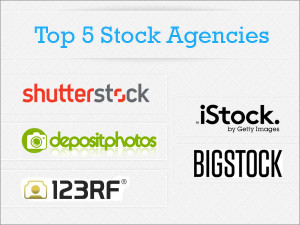
Bigger stock photo agencies include Shutterstock and iStock which are also listed in the 5 of the cheapest in Stock Photo Secrets. They provide their users different features that set them apart from one another. You can use these differences to choose the best stock photo website that works for your creative needs and budget. Once you determine your needs and budget, it should be easier to choose the right image source for you. Your next responsibility is to get the most out of your creative relationship.